用声音改变世界!2026《纽约时报》学生播客竞赛全攻略

你是否有一个特别想讲的故事?是否对某个话题充满无法抑制的热情?如果答案是肯定的,那么2026年《纽约时报》学生播客竞赛(NYT Student Podcast Contest)就是为你量身打造的舞台!

这项被誉为“高含金量、低门槛、强背书”的国际赛事,不仅为全球青少年提供了一个展示创意与思想的平台,其获奖经历更被哈佛、耶鲁等顶尖大学视为批判性思维与文化素养的重要证明。

一、关键信息速览

主办方:《纽约时报》(The New York Times)

参赛资格:全球13-19岁的初中或高中学生(免费参加)

作品时长:5分钟以内

提交窗口:2026年4月8日开放,5月13日截止(当前时间为2026年4月22日,仍在提交期内!)

结果公布:约在7月中旬

二、比赛核心:内容为王,形式自由

《纽约时报》明确表示,评委看重的是内容创意,而非制作技术。你不需要昂贵的专业设备,一部手机即可完成高质量录音。

作品形式完全由你决定:

与专家的深度访谈

与朋友的非正式对话

新闻调查报道

原创虚构故事

自创音乐或喜剧小品

主题选择建议:

从生活中寻找灵感:你的社区、家庭、学校有什么独特之处?

关注社会议题:你对气候变化、教育公平、AI伦理有何见解?

分享个人故事:一次失败的经历、一个改变你观点的瞬间。

探索兴趣爱好:你最近读的一本书、看的一部电影、玩的一款游戏。

核心原则:选择一个你真正关心的话题。因为你的热情,会通过声音自然地传递给听众。

三、成功备赛四步法

1.构思与选题(Now!)

花时间思考:什么话题能让你滔滔不绝地讲上一个小时?

确保主题有清晰的叙事弧线:开头吸引人,中间有发展,结尾有力量。

2.撰写脚本或提纲

即使是即兴对话,也建议准备一个详细提纲,确保逻辑流畅。

控制时长:5分钟大约对应650-750字的口语稿。

3.录制与剪辑

环境安静:选择一个背景噪音最小的地方。

多次录制:不要害怕重来,追求最自然、最清晰的表达。

善用音效:可添加版权免费的背景音乐或音效(如Freesound.org),增强沉浸感。

4.提交创作说明

除音频外,还需提交一份400字以内的创作说明。

描述你的研究过程、灵感来源和创作挑战,让评委更深入理解你的作品。

四、奖项与长远价值

获奖作品将在《纽约时报》学习网络官网(The Learning Network)上永久发表。

这不仅是简历上的一个亮点,更是向大学招生官展示你独立思考、沟通能力和文化敏感度的有力证据。

对于未来希望进入传媒、人类学、社会学、教育或任何需要讲故事能力领域的同学来说,这是一次绝佳的实践与背书。

扫码查看历届获奖优秀论文,导师一对一竞赛规划!

2024年纽约时报My List 学生评论竞赛获胜者

若你正在寻找新鲜的阅读、观看、游玩、聆听、穿戴、品尝或探访之选,无需再寻。以下是我们第八届年度学生评论大赛的入围作品,该活动邀请青少年担任评论家,针对《纽约时报》所涵盖的各类创意表达撰写原创评论。

我们收到了来自全球青少年的3200多份投稿,并选出了数十位决赛入围者。

Olivia Rodrigo Spills Her “Guts”

Underdog on Top: “Succession” Balances Shock and Gratification in Its Final Season

Hydration Hype: Unveiling the Stanley Cup Trend Among High School Girls

The MSCHF Big Red Boot Is Ugly. I Love It.

Not Just Another Piece of Fabric, But an American Ideal Reborn

“The Rise and Fall of a Midwest Princess”: Chappell Roan’s Album of Grandeur, Grief and Irresistible Glamour

Balenciaga Fall 2024 Fashion Show: Demna and the Modern American Dream

Using Rap to Reach

Superficially Redefining Girlhood Through Hot Pink Femininity


All Finalists

In alphabetical order by the writer’s first name

Winners

April Yu, 15, East Brunswick High School, East Brunswick, N.J.: “Olivia Rodrigo Spills Her ‘Guts’”

Gisela Cortadellas, 16, Pine Crest School, Fort Lauderdale, Fla.: “The MSCHF Big Red Boot Is Ugly. I Love It.”

Evelyn Kim, 18, Choate Rosemary Hall, Wallingford, Conn.: “Superficially Redefining Girlhood Through Hot Pink Femininity”

Hassan Alazzeh, 14, American Community School, Amman, Jordan: “Using Rap to Reach”

Sabrina Akhtar, 16, Mirabeau B. Lamar High School, Houston: “Underdog on Top: ‘Succession’ Balances Shock and Gratification in Its Final Season”

Sadie Gugliotta, 15, Canton High School, Canton, Mass.: “‘The Rise and Fall of a Midwest Princess’: Chappell Roan’s Album of Grandeur, Grief and Irresistible Glamour”

Suryansh Sarangi, 16, Queen Elizabeth’s School, Barnet, England: “Balenciaga Fall 2024 Fashion Show: Demna and the Modern American Dream”

Tessa Elizabeth Ann Cook, 16, Liberal Arts and Science Academy High School, Austin, Texas: “Not Just Another Piece of Fabric, But an American Ideal Reborn”

Tina Zhu, 17, Christian Heritage School, Dalton, Ga.: “Hydration Hype: Unveiling the Stanley Cup Trend Among High School Girls”

_________

Runners-Up

Adithri Pingali, 15, Penn Trafford High School, Harrison City, Pa.: “Truth Is in the Eye of the Beholder: R.F. Kuang’s ‘Yellowface’”

Ajani Stella, 17, Hunter College High School, New York, N.Y.: “Preaching Resistance and Enduring Racism: ‘Purlie Victorious’ Revival Demands Action”

Cruz Sylvia, 17, Community School of Davidson, Davidson, N.C.: “‘Now and Then’: The Fab Four’s Last Hurrah"

Eliza Bruemmer, 16, Central Catholic High School, Bloomington, Ill.: “‘Who We Are’: An Unreal Reflection on What We’ve Lost”

Eva Sharma, 15, West Windsor-Plainsboro High School South, West Windsor, N.J.: “‘Spiderman: Across the Spider-Verse’ Swings Through the Joys, Fears and Discoveries of Adolescence”

Gennaro Barca, 17, Saint Joseph High School, South Bend, Ind.: “A Bear Can Eat With Forks?”

Kaylin Spindler, 14, Kettle Moraine School for Arts and Performance, Wales, Wis.: “Plot Twist: Meg’s a Villain! How Lydia the Bard Nailed This Disney Song Rewrite”

Li Fengtian, 13, Basis International School Shenzhen, Shenzhen, China: “88th Dock: Elegant, Homey Hustle-n-Bustle”

Margot Godiwala, 13, Village Community School, New York, N.Y.: “‘Ant-Man and the Wasp: Quantumania’: A Fundamental Failure of Cinema.”

Medhya Venkatram, 17, United World College South East Asia, East Campus, Singapore: “Resplendent Royals to Racial Unity: Netflix’s ‘Queen Charlotte’ Bridges Generations With a Blend of Modern Flair and 1800s Charm”

Mia Golden, 16, Rio Americano High School, Sacramento, Calif.: “‘You Are So Not Invited to My Bat Mitzvah’: The Coming-of-Age Film We So Needed”

Miya Zhang, 16, St. Paul’s School, Concord, N.H.: “Måneskin’s ‘Gasoline’: A Message in Support of Ukraine”

Natalie Kortge, 16, Clarkston High School, Clarkston, Mich.:“‘Good Omens’ Season 2: Sweet as an Angel, Devilishly Witty"

Ruyi Zhang, 15, Wuxi Dipont School of Arts and Science, Jiangsu, China: “Enchanting Echoes: Laufey’s Musical Alchemy of Love in ‘Bewitched’”

Sophia Fu, 16, The American School in Japan, Tokyo: “‘Oppenheimer’: Japan’s Step Toward Healing”

Sophia Kim, 16, West Windsor-Plainsboro High School South, West Windsor Township, N.J.: “‘Matt Rife: Natural Selection’: ‘It’s Just a Joke!’”

Yueyi (Taylen) Huang, 16, YK Pao School, Shanghai, China: “Angel’s El Cubano: A Revived Restaurant-Bar Where China Meets Cuba and More!”

_________

Honorable Mentions

Amelie Salette, 15, Polytechnic School, Pasadena, Calif.: “‘Suzume no Tojimari’: Worming Across Japanese History”

Andrew Stamos, 16, Sacred Heart Preparatory, Atherton, Calif.: “‘Barbie (But Really Ken) and the Mirror Men Need”

Annalise Huang, 14, Diablo Vista Middle School, Danville, Calif.: “Pho Banh Mi and Juice: A Rich Reminder of Unique Vietnamese Culture and the Bonds That Surround It”

Chenletian (Chloe) Shen, 16, Shanghai Starriver Bilingual School, Shanghai, China: “Framing the Limitless: If Life Were a Movie”

Arissa Binte Kamaruzaman, 15, Clarkstown High School; North, New City, N.Y.: “‘Twinkling Watermelon: A Fiery Ode to Youth"

Chloe Baghdassarian, 15, Mayfield Senior School, Pasadena, Calif.: “‘Barbie’ Might Have to Go Back in the Box and On the Shelf”

Corina Lowry, 16, Guilford High School, Guilford, Conn.: “‘Thanksgiving’: The Epitome of the Classic Slasher Film”

Jager Perez, 17, Mounds Park Academy, Maplewood, Minn.: “Reviewing a Magical Adventure”

Jason Jiang, 15, HD Ningbo School: “Klutzy Manchester United: Shrewd Analysis From ‘The Kick Off’”

Jon Dong, 16, Tower Hill School: “‘Javelin’: A Piercing Reflection of Grief and Hope”

Judy Akel, 16, West Windsor Plainsboro High School South, West Windsor Township, N.J.: “The Treasure of Tranquillity"

Julia Kozakowski, 16, West Windsor Plainsboro High School South, West Windsor Township, N.J.: “Everlasting Life, Mourning, Joy and Pain: If Van Gogh Was a Tree”

Juliette Hess, 17, The Emery/Weiner School, Houston: “Pitbull: The Man Who Gives Us Everything”

Justin Koo, 16, Seoul Foreign School, Seoul: “‘The Estate Sale’: Tyler, the Creator’s Introspective Extravaganza”

Jwan Balobaid, 15, Al Hamraa International Girls School: “‘Are You There God? It’s Me, Margaret’: Adolescence Done Right”

Leo Murrell, 16, Truckee High School, Truckee, Calif.: “The Aspen Collective Kickoff Show"

Mélia Lemoine, 15, North London Collegiate School, Singapore: “Cedric Grolet: Oui! ou Oui?”

Michelle Yau, 16, West Windsor Plainsboro High School South, West Windsor Township, N.J.: “The Heartbeat of Music: ‘Pulse’”

Noora Fatima, 15, The Barstow School, Kansas City, Mo.: “‘Barbie’: This Unboxing Video Isn’t Clickbait”

Pakawat Poldetch, 13, Ruamrudee International School (Minburi), Bangkok: “The Shortcomings of ‘Napoleon’: A Misguided March Through History”

Paola Reinosa, 17, Sacred Heart Preparatory, Atherton, Calif.: “The Long-Awaited Resurrection: Bad Bunny’s Trap Return”

Ria Jain, 17, Stephen F. Austin High School, Sugar Land, Texas: “‘What Was I Made For?’: A Journey of Self-Discovery”

Rishi Janakiraman, 14, Stanford Online High School, Redwood City, Calif.: “‘Never Have I Ever’: On South Asian Representation in Western Television’

Rose Maliekal, 17, West Windsor-Plainsboro High School South, West Windsor Township, N.J.: “‘nothing, except everything.’: A Compelling and Painfully Relatable Modern Work of Cinematic Art”

Saisha Mehendale, 17, West Windsor-Plainsboro High School South, West Windsor Township, N.J.: “‘Yours Truly’: Hope for the Hopeless”

Sophia Ma, 16, WFLA: “Surrealism Is Destructive, but It Destroys Only What It Considers to Be Shackles Limiting Our Vision”

Stella Keyes, 16, Mayfield Senior School of the Holy Child Jesus, Los Angeles: “More Than Just Murders in the Building: What Draws an Audience to Hulu’s Murder Mystery”

Suzuko Ohshima, 15, North Hollywood High School, Los Angeles: “‘Paint the Town Red’: A Record From Hell?”

Tristan A. Padilla-Perry, 17, Windham Technical High School, Windham, Conn.: “2025 Genesis GV80 Exterior Design Review”

Willet Cole, 13, Sussex Academy, Georgetown, Del.: “Five Nights at Freddy’s FLOP”

Yuki Wen, 15, Bishop Strachan School, Toronto: “The iPhone 15: Who Needs Innovation When You Can Have Déjà Vu?”

Zackary Kozak, 18, American Heritage Schools, Palm Beach Campus, Delray Beach, Fla.:“‘The Wonderful Story of Henry Sugar’: Sharing the Wealth of Words”

Zijing Xin, 16, Shanghai Pinghe Bilingual School, Shanghai: “Avavav Spring/Summer 2024: Unveiling the Unspoken Stress”

Superficially Redefining Girlhood Through Hot Pink Femininity

Evelyn Kim, 18, Choate Rosemary Hall, Wallingford, Conn.

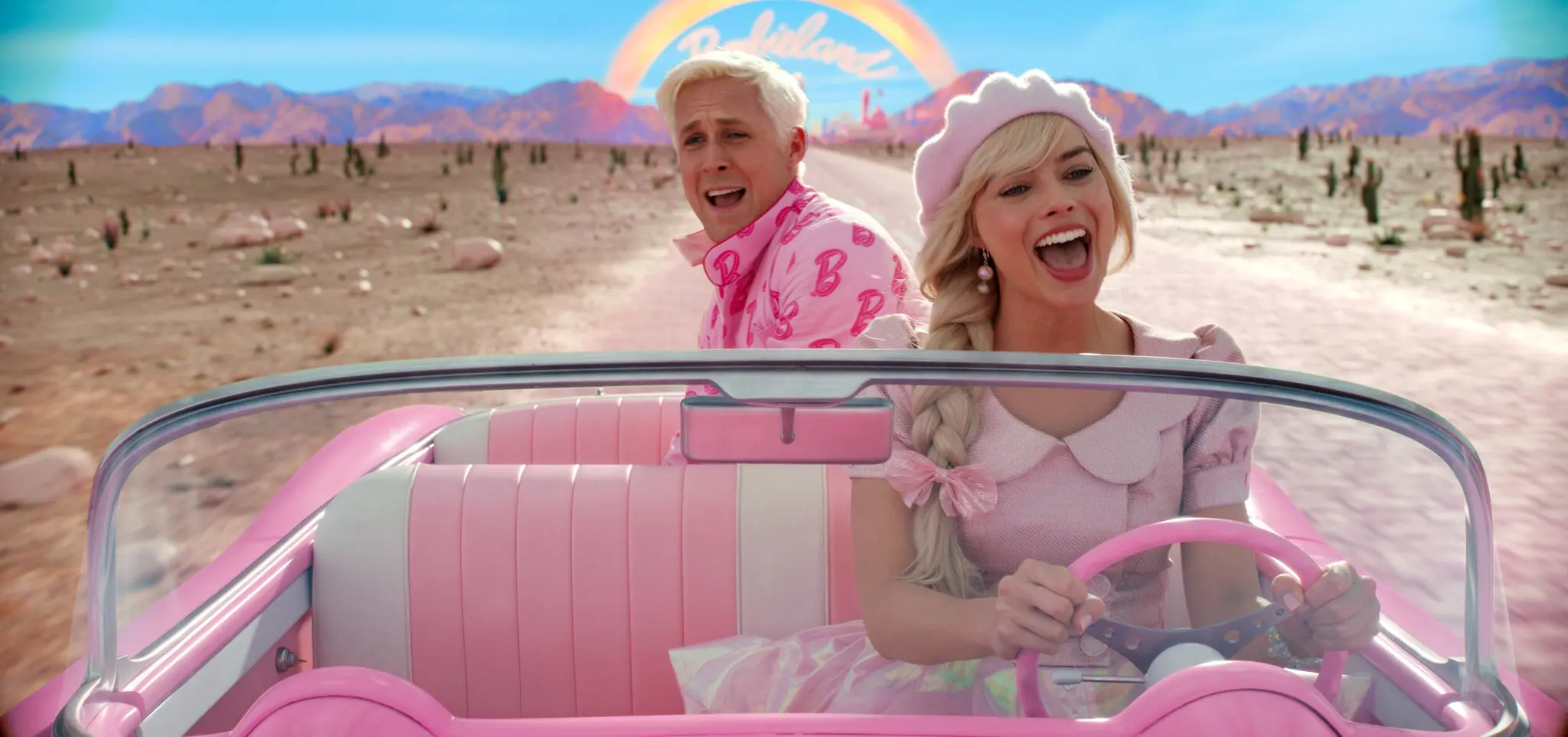
Evelyn Kim, 18, calls the blockbuster hit “Barbie" “nothing more than a two-hour Mattel advertisement.”Credit...Warner Bros.

In times of an alarming emergence of online toxic hyper-masculinity, “Barbie” descends on hot pink feathered wings as a possible savior — a gilded messenger of Hollywood. Hailed as the feminist movie that would revolutionize the definition of girlhood in popular culture, Greta Gerwig’s “Barbie” was anticipated as a film that would subvert characteristics of the superficial plastic mascot to accurately portray underrepresented difficulties of femininity. The marketing of “Barbie” curated an infallible image of a film that deviated from Hollywood’s male lead standard, embraced “fun girliness” and challenged society’s casting of women in subordinate roles, all while boasting Hollywood darling Margot Robbie.

Primarily taking place in matriarchal “Barbie Land,” the gaudily bright artificial colors of the pink plastic setting match the bubbly-pop hit artists lining the soundtrack. Though fans anticipated a deceptively superficial appearance that would give way to a darker analysis of feminism, this movie was clumsily patched together with a surface-level understanding of feminism claiming that although a patriarchy was bad, a matriarchy — even with Barbies in command — was equally bad. Robbie faces cruel teenagers in the “real world” that dare to raise real criticisms of the harmful effects the Barbie franchise has had on female beauty standards and body issues. Teary-eyed Robbie begs the audience for sympathy, saying she never meant to create these problems, and only wanted a friend, washing her hands of this guilt and allowing Mattel to curate a version of Barbie acceptable to a new generation of consumers.

Womanhood is more than being a mother or girly friends, yet “Barbie” defaults to a traditional emphasis on mothers raising daughters, completely disregarding transgender, non-heterosexual and nonwhite women’s experiences. Though America Ferrera and Ariana Greenblatt exchanged a few words in Spanish, this was nowhere near an actual portrayal of the nonwhite experience of femininity, and more of a shrug of acknowledgment in the direction of women of color.

Anticipation for “Barbie” surpassed the actual movie itself. The experience of dressing up pink to attend screenings of this movie was an invitation to anyone regardless of gender identity or budget — a refreshing way to express collective fun. As long as it was pink, it was perfect. A signal to others in the know to greet you with a bubbly “Hi, Barbie!,” “Barbie-core” was a low-stress way to connect with others, uncharacteristic of the post-quarantine world.

With “Barbie,” we were given hope for a chance at a popular depiction of genuine feminism. And for some, the simple remark “This is what the ‘Barbie’ movie was talking about” is an easily comprehensible way to call out misogyny through pop culture. And yet, to those who have not yet seen this movie — consider it nothing more than a two-hour Mattel advertisement.

Using Rap to Reach

Hassan Alazzeh, 14, American Community School, Amman, Jordan

Abdel Rahman al-Shantti, 15, pictured above at 11-years-old, performs under the name MC Abdul. Hassan Alazzeh, 14, writes that the Gazan rapper uses his rhymes to “challenge us and expose us to untold stories and different perspectives.”Credit...Mohammed Salem/Reuters

You do not notice his accent right away. Perhaps you are captivated by his catchy rhymes or are simply enjoying the rhythm. Then, the vibe shifts, and you unexpectedly become aware of a line that makes you pause: “He could’ve been a scholar, he dealin’ different problems,” along with the stark revelation that a “Missile hit his home and crushed and killed his Baba.”

Baba: the Arabic word for father. The rapper? Abdel-Rahman al-Shantti, known as MC Abdul. He is Palestinian, from Gaza. Oh, and he is 15.

Suddenly, the rap is deeply political. You wonder if listening to MC Abdul makes you a sympathizer to one “side” of a conflict that is presented as having no middle ground. The short and long answers are: yes. When you listen, you are consciously making a choice to acknowledge that this Gazan teenager is a person, just like you. Educated at a United Nations school in Gaza, MC Abdul taught himself English by listening to music online, and uses rap — traditionally the poetry of the disenfranchised — to reach you.

“The Pen and the Sword” was written in September of 2023, before the horrific Oct. 7 attacks on Israel. The title, a play on the age-old adage, sets the tone for a narrative that is a call to arms, not with weapons, but with words. At the heart of the lyrics is a simple message about the importance of education and the need to defend it, for all children, everywhere.

From the first beat, MC Abdul captures our attention with his blend of traditional hip-hop and contemporary oriental soundscapes. The soft innocence of the choir of children chanting the chorus is striking against Abdul’s choppier rapping. However, what sets this song apart is not its sonic appeal, rather its message, an implicit plea to allow hope for a better tomorrow. The lyrics are peaceful, avoiding words and descriptions that might be edgier to younger listeners.

Abdul’s flow is smooth and commanding; the chorus is simple and memorable. He puts a voice to the casualties of war, an image to statistics that help us forget that each number is a person, with aspirations of playing soccer, and “meeting up by [their] lockers.”

God is invoked several times. Abdul asks, “You think Allah won’t see what you’re doing to his children?” using the Arabic term common to both Christians and Muslims of the Middle East. He reminds us, “We’re all humans in God’s eyes.”

One important role of the arts is to challenge us and expose us to untold stories and different perspectives. MC Abdul’s rap is no different. His life, “ain’t even make news in y’all city” but maybe his song will.

Balenciaga Fall 2024 Fashion Show: Demna and the Modern American Dream

Suryansh Sarangi, 16, Queen Elizabeth’s School, Barnet, England

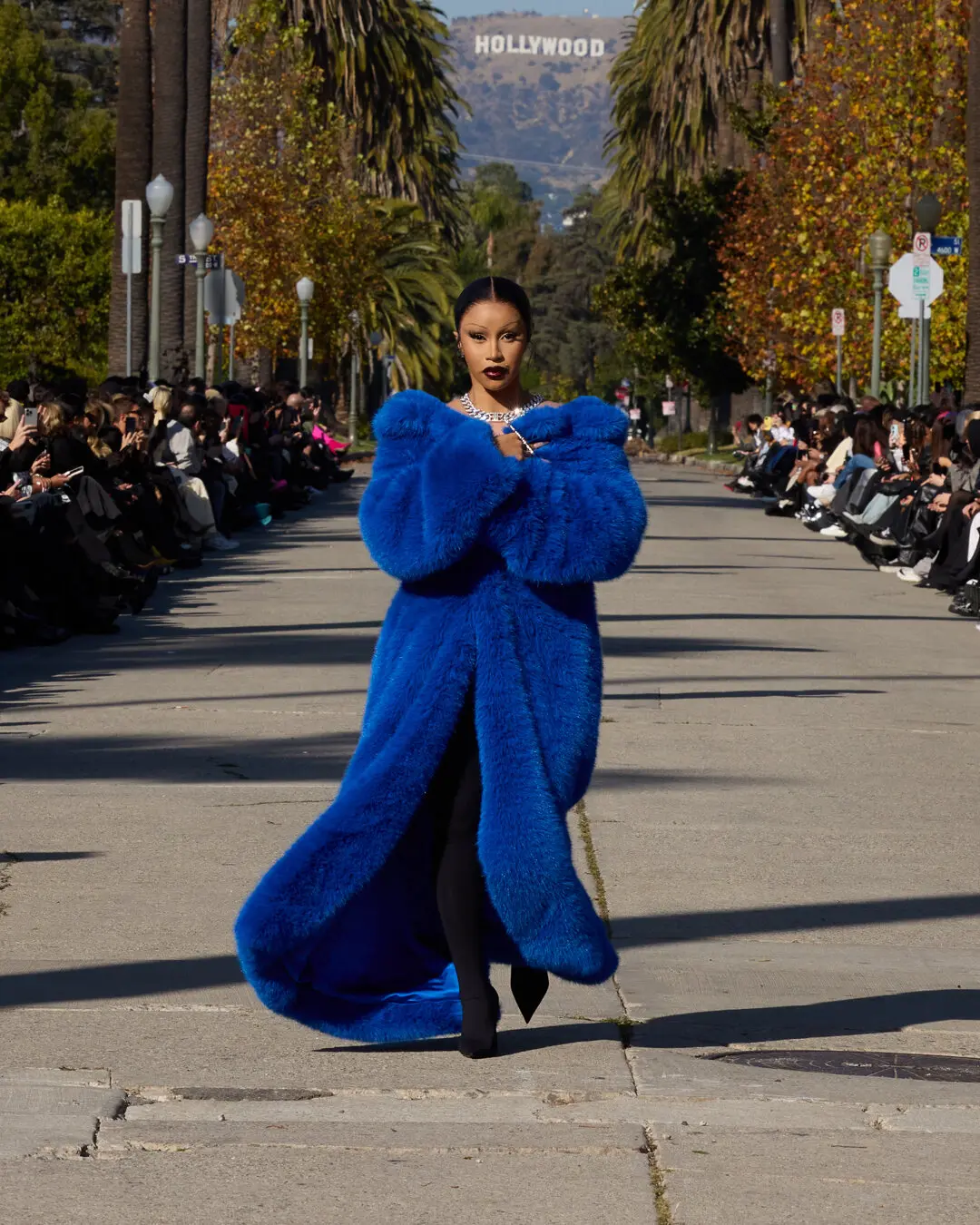
Suryansh Sarangi, 16, writes that the Balenciaga fall 2024 fashion show is “a testament to the modern American dream, an illusory ideal we can only chase, yet never achieve.”Credit...Balenciaga

Erewhon bags, sleek athleisure and cartoonishly chunky trainers. Draped in the golden Californian sun on a pristine neighborhood boulevard punctuated with postcard-perfect palm trees, everything about the Balenciaga fall 2024 collection just screams Los Angeles.

Historically, Demna, Balenciaga’s designer, has not shied away from the brutal, the rugged and the controversial. With previous runways involving mud-splattered models trudging through artificial trenches representing the mud graves dug during the Russia-Ukraine conflict, and a human-made blizzard raging through the show in reference to the ongoing climate crisis, the fall 2024 collection contrastingly focuses on the perfect, or rather, the seemingly perfect.


More voices, better journalism. The article you are reading is in part the result of The Times inviting readers to share their experiences. With questionnaires, we get a wide range of views that often lead to a more deeply reported article. This helps us ensure that our journalism reflects the world we cover.


The first models emerge, set against the iconic Hollywood sign. Dressed in casual sports attire, they exude an effortless coolness reminiscent of paparazzi shots capturing A-listers in their daily L.A. lives. The runway then shifts to a nostalgic nod with velour tracksuits from 2005. As the show progresses, high fashion takes center stage with red carpet gowns. The finale features a model in a striking white dress, collar raised, face mostly concealed, leaving only cold blue eyes visible — an enigmatic climax, the dress shielding the figure from the audience like Hollywood royalty.

Having grown up in a dreary “post-Soviet vacuum,” Demna himself states that the very culture he idolized as the perfect, colorful life was that of L.A.’s. Amid his personal cultural revolution, the American dream itself underwent its own revolution. No longer is success symbolized by flaunting wealth and holding Gatsby-esque parties; modern luxury means lazy beauty and quiet comfort. And that’s what the relaxed yet stylish outfits symbolize. Perhaps the mundanity of the clothes at first shows how, behind all the glitz and glamour, celebrities are just normal people. Perhaps celebrities are just like us. But are they? This runway transports us throughout Hollywood, from the whole food store to the gym to the red carpet, taking us through the lives of celebrities in L.A. But at the climax of the show, we see the stern figure clad in white, almost disassociating from the viewer as the collared dress separates us from them. An inherent feature of the American dream is inequality — not everyone can achieve this tranquil, sun-kissed life of luxury — and with the modern dream, this is no exception. On a surface level, celebrities may wear the same clothes as us, go to the gym like us, drink coffee like us, but will we ever be like them?

To be fair, some clothes in Balenciaga’s fall 2024 collection are wearable, with items like the hoodies being attractive to the average consumer. However, through its ironic highlighting of inequality, Demna’s newest work is nothing more than a testament to the modern American dream, an illusory ideal we can only chase, yet never achieve.

“The Rise and Fall of a Midwest Princess”: Chappell Roan’s Album of Grandeur, Grief and Irresistible Glamour

Sadie Gugliotta, 15, Canton High School, Canton, Mass.

“The Rise and Fall of a Midwest Princess” is a lush, rebellious depiction of self-acceptance as revolution, redefining contemporary camp with disco-synth scintillations and raucous lyricism. Chappell Roan, the creation of Missouri native Kayleigh Amstutz, defies the conventions of propriety and discretion with drama and ecstasy, dressed in rhinestone embellished prom dresses and bedazzled Skechers. Her persona is outrageous, loud and hedonistic, lending the album its overabundant character and depth of feeling, delivered through a pastiche of Carly Rae Jepsen and Lady Gaga, and polished by the oversaturated-pop sensibility of Dan Nigro’s production.

“The Rise and Fall of a Midwest Princess” sparkles with musical zeal and lyrical absurdism. Its second track, “Red Wine Supernova,” opens with compressed synths and crystalline guitar strumming, underlying Roan’s playful narration of a new crush turned sour: “I just wanna get to know ya / Guess I didn’t quite think it through / Fell in love with the thought of you / Now I’m choked up, face down, burnt out.” The juxtaposition of syrupy, hyper-femme vocals against instrumental stylings reminiscent of quintessential ’80s pop are a hallmark of the album’s sound; this pep rally-esque excess shines on “HOT TO GO!” and the almost caricatured decadence of “Super Graphic Ultra Modern Girl.”

In the more deliberate “Pink Pony Club,” Roan sings of leaving home to pursue her dreams of stardom, despite her mother’s disapproval. The song soars with sparse synths and wailing guitars, a prime example of the album’s appeal; it is an anthem of queer pride and triumph in the face of opposition, cresting in a chorus of unwavering resolve: “I’m gonna keep on dancing at the / Pink Pony Club.”

Roan is just as capable of delivering a bleeding ballad as she is a sleek, stylized romp; “California” makes a spectacle of disillusionment, honeyed vocals and desperately luxurious trumpets mourning promises unfulfilled by Hollywood glory. She sings, “I was never told that I wasn’t gonna get / The things I want the most / But people always say, ‘If it hasn’t happened yet / Then maybe you should go,’” momentarily abandoning the outsized persona with which Roan steels herself to lament the impermanence and disposability of artists in a culture of overconsumption. The track demonstrates the album’s nuance, undulating from subtlety to sequined pageantry with an ease that eludes most pop artists today.

“The Rise and Fall of a Midwest Princess” makes a farce of Roan’s greatest heartbreaks with flippant pettiness and gutsy humor, showcasing her musical versatility and theatrical performance, and shimmering with the uncut confidence of a seasoned pop star. Through brash lyrics, explosive instrumentals and exceptional vulnerability, Chappell Roan solidifies herself as a queer iconoclast and pop mainstay, a “Midwest Princess” for the “Super Graphic Ultra Modern” 21st century.

Not Just Another Piece of Fabric, But an American Ideal Reborn

Tessa Elizabeth Ann Cook, 16, Liberal Arts and Science Academy High School, Austin, Texas

Tessa Elizabeth Ann Cook, 16, writes that Utah’s new state flag is “more than just fabric.”Credit...Wikimedia

As art connoisseurs worldwide reflect on the cultural masterpieces of 2023, there’s one thing on everyone’s minds: Utah’s legislative agenda.

OK, maybe not. And I know what you’re thinking: “I read reviews for something fun and nonthreatening, not an analysis of intricate state-level policy!” But fear not, because I’m happy to leave that to the experts. Instead, I’m here to propose one of the best works of art of the whole year, signed into law by Governor Spencer Cox on March 21, 2023: the new Utah state flag.

Unlike most flag discussions today — which focus on aspects we should take out, like Confederate symbolism — the old Utah flag wasn’t actively problematic. It was just … meh. Unlike what we do with the flag of my home state, Texas, nobody plastered the old Utah flag on their bumpers, nor could most residents pick it out of any of the two dozen other blue seal-on-a-bedsheet U.S. state flags.

Sure, it had the traditional symbol of business and industry — a beehive — that’s often associated with the Mormon Church, but beyond that, nothing about the old flag represented Utah except the state’s name scrawled across the bottom of the seal, which, in my opinion, is vexillological cheating.

The new flag, however, projects “Utah” even with squinted eyes at a mile’s distance. The beehive symbol remains, but instead of the original navy field, it is mounted inside a hexagon, atop a background of dark red rock, snowy white mountains and a deep blue sky. Everything down to even the number of points of the mountain range has a purpose — in this case, to represent the five Indigenous groups that consider Utah sacred land.

But really, beyond what the flag’s individual aspects represent, it is the initiative and motivation of Utah’s people that makes this new flag process impressive to me. There is not much that unites us Americans anymore, and although there was, naturally, some pushback against the change, Utahans needed a strong symbol to identify themselves and their communities, and so they went out and found one. It seems to be rare that Americans are willing to voluntarily work together in the name of unity, especially when it comes to breaking from tradition, like we’ve seen during voting expansion debates and gun control attempts. America was created around the idea of a “more perfect union,” yet when I look at the chaos of climate policy, international conflicts and domestic terrorism in recent years, the current American plan looks more like damage control than active improvement.

Utah’s new flag is more than just fabric; it’s our opportunity to turn the tide back toward progress, and a chance for America to be reborn.

The MSCHF Big Red Boot Is Ugly. I Love It.

Gisela Cortadellas, 16, Pine Crest School, Fort Lauderdale, Fla.

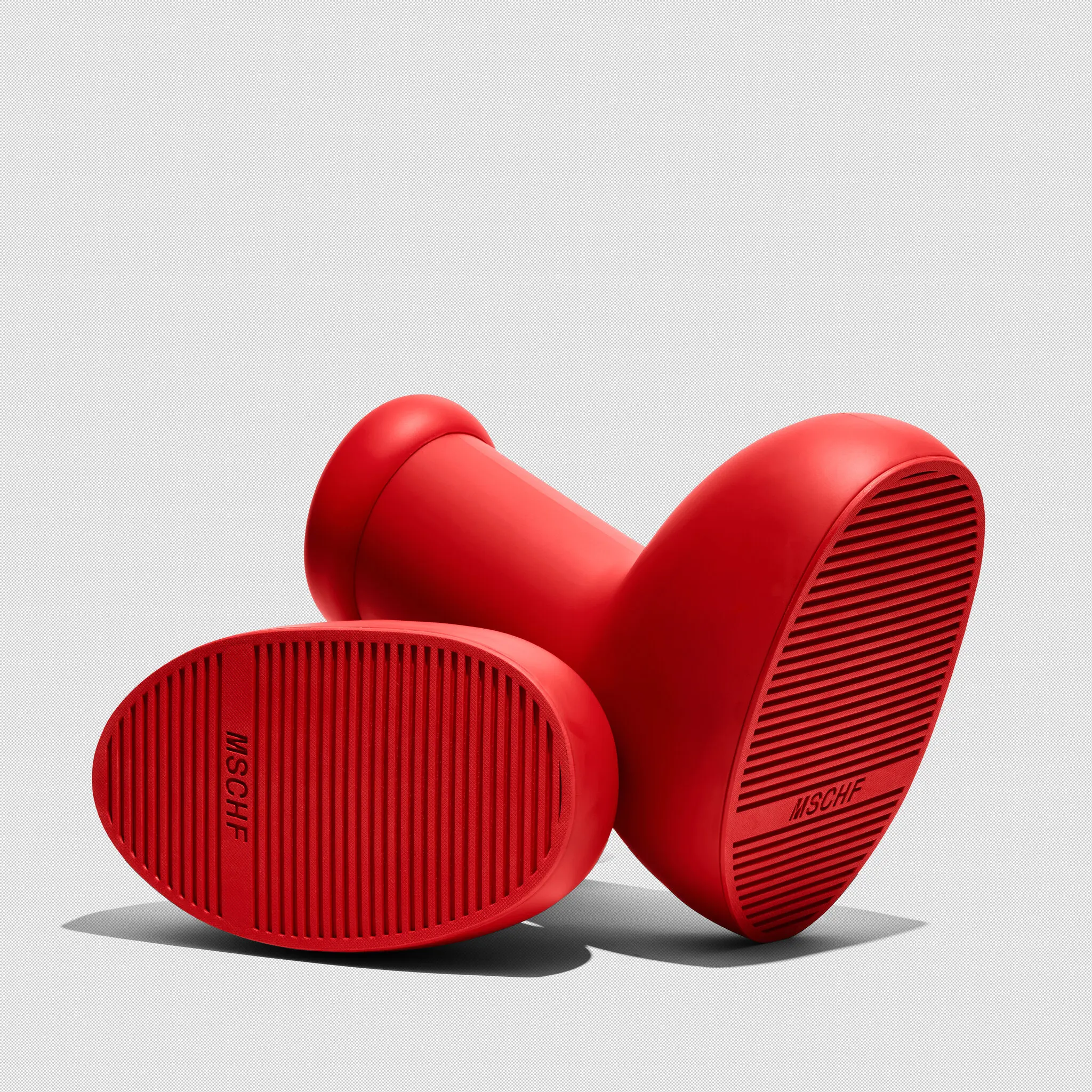
Gisela Cortadellas, 16, says the MSCHF Big Red Boots are “ugly, and I love them for it.”Credit...MSCHF

“I don’t get it.” The minds of countless bystanders sang the same chorus as the MSCHF Big Red Boot entered its way through social media and into street style. MSCHF released their Big Red Boot on Feb. 16, 2023, retailing for $350. The best way to describe the boot would be what a child’s interpretation of a shoe is, using crayons: Round, big, red. Someone at MSCHF decided to give life to the drawing with TPU, rubber and EVA foam. The shoe is unique, almost shiny, and its cartoonish feel makes it look computer-generated.

I’ll admit it. I thought the boot was plain ugly at first too. It’s not aesthetically pleasing, compared to other expensive shoes on the market in 2023. All one color. The silhouette is well, interesting. I even tried on a pair. They’re not comfortable, as you can imagine. How would you even go about styling this thing?

So, why? Why do I love it? Why should you?

Sure, it’s not what we are used to seeing right now. In an era dominated by “fast-fashion,” more and more of these new companies are constantly pumping out and trashing clothing every day. The major fashion houses are derailing as they plunge themselves into cheap materials and boring creative directors who recreate the same collection year after year. Same silhouettes, same patterns, same themes. I’m bored. They are all whispering; the Big Red Boot is shouting.

That’s why I have slowly fallen in love with the boot. It is weird. It is ugly. It is red. It’s not “ready-to-wear,” but why should fashion be?

The best part about this boot is, it worked. Social media forgot that MSCHF is an art and media company that is credited with creating viral and controversial products meant to spark debate. Readers may or may not remember that MSCHF was also a part of the infamous “Satan Shoes” back in 2021, a collaboration with Lil Nas X that landed both contributors in hot water. People went crazy for the Satan Shoes, and people went crazy for the Big Red Boot.

Somehow, these Big Red Boots have stepped their way into street style successfully. MSCHF even released a Crocs version of the Big Red Boot. It is quite the competition between which pair is more audacious.

So, was the original purpose of sparking conversation achieved? Yes. Did people like them? Not necessarily. But it worked. This boot is representative of how art and fashion is treated today; ridiculed and judged. People hate it. People love it. What else is art for, but to be different? The Big Red Boot is just unapologetic about it.

The boots are ugly, and I love them for it.

Hydration Hype: Unveiling the Stanley Cup Trend Among High School Girls

Tina Zhu, 17, Christian Heritage School, Dalton, Ga.

Stanley’s Pink Parade 40-ounce Quencher H2.0 FlowState Tumbler made a grand entrance this past Black Friday and got sold out in the blink of an eye, much like the fleeting whims of high school fashion. Stanley’s tumblers have now unofficially joined the ranks of the classic white Air Force 1 and Lululemon leggings, becoming the “it” item among high school girls. Wondering if its high school adoption is a nod to utility or an overture to trendiness, I got my hands on this glistening newcomer, jumping on the bandwagon that had seemingly captivated the entire TikTok community.

What sets this tumbler apart from the rest? First of all, it does the job. After using this 40-ounce cup for a few days, I noticed a significant increase in my water intake — the glossiest pop of pink bottle with a huge sturdy handle and a straw popping out kept reminding me to take an easy sip, while other water bottles have lids that make the water taking process cumbersome. The Pink Parade has successfully turned my daily hydration routine into a badge of honor.

The Pink Parade apparently has outstanding quality. Its unique double-wall vacuum insulation technology allows my ice-cold water to chill for 48 hours, ensuring it’s refreshing for me after an exhausting soccer practice. A girl on TikTok said that her car caught on fire, but the Stanley Cup survived, and not even the ice melted due to its high-quality stainless steel construction. The anecdote has massively enhanced the profile of the cup, at least for me, and staged it as a trustworthy sidekick that strikes the perfect balance between runway-ready and firefighter-fierce.

Well, the downside of my Pink Parade is also obvious — it is comically huge and heavy, especially for a 5-foot-3 girl like me. Memes about short girls carrying a huge Stanley are everywhere, saying the bottle looks like a giant trash can. However, I do consider this cup a versatile accessory — its cute look pairs well with my wardrobe, matching all my pink outfits and giving a dash of playfulness to my casual black-and-white wear. Moreover, carrying this hefty water bottle everywhere is like a free workout that strengthens my muscles, as well as a walking statement for a healthy lifestyle.

The Pink Parade and other Stanley tumblers’ explosive popularity among high school girls might be partially attributed to the TikTok trend, but it is also a testament to the power of practical chic in the unpredictable whirlwind of high school vogues.

Underdog on Top: “Succession” Balances Shock and Gratification in Its Final Season

Sabrina Akhtar, 16, Mirabeau B. Lamar High School, Houston

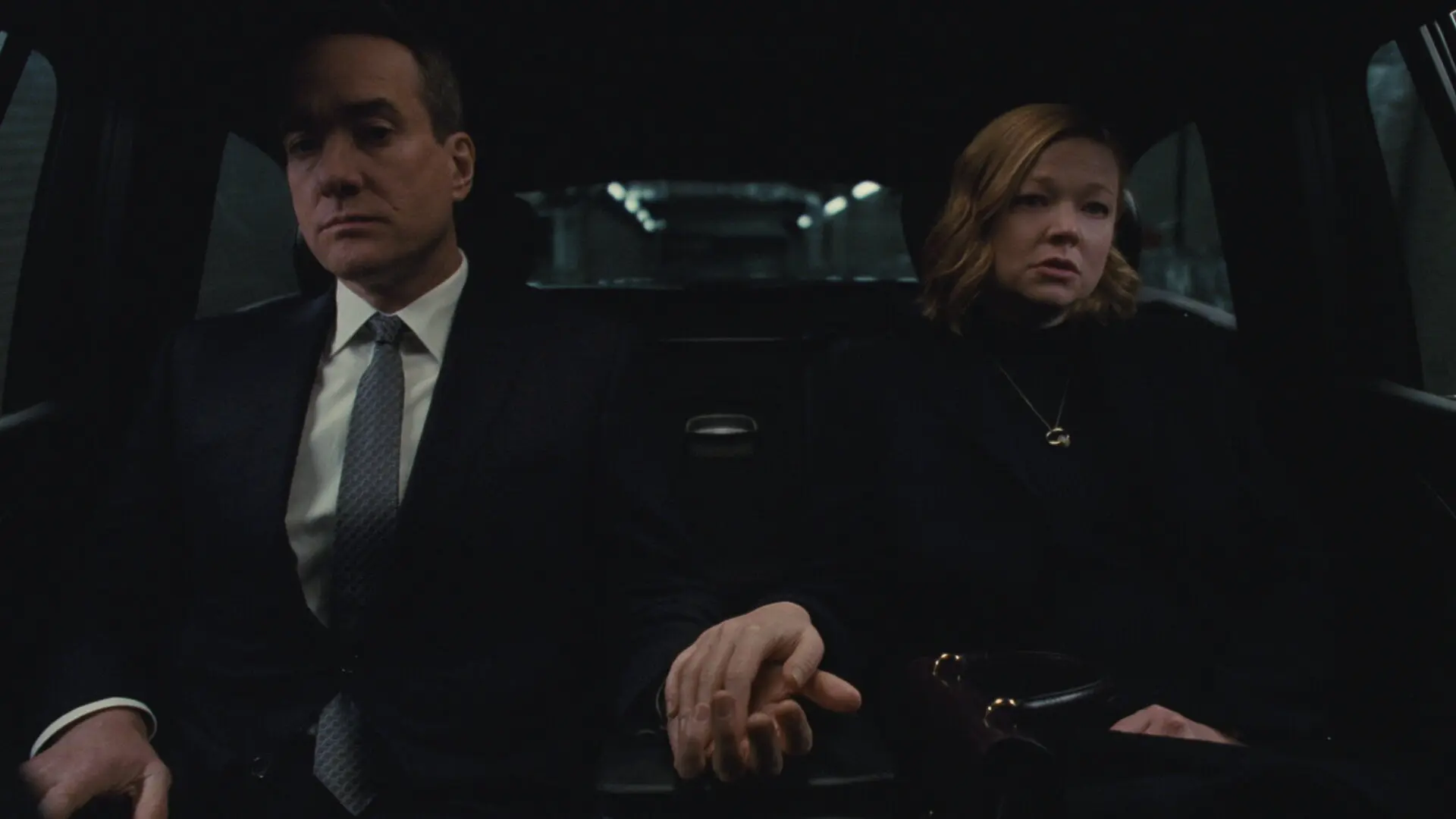
Sabrina Akhtar, 16, writes that the final season of the TV show “Succession” “conjured two emotions: absolute horror and entranced amusement.”Credit...HBO

Words are everything. Well, sort of.

In the hit HBO show, “Succession,” words can mean everything … but also nothing. A too-tight hug can be a strategic move to secure a vote. Pleasantries with Dad mean you want to steal his company from beneath him. A borderline neo-Nazi presidential candidate who won the election goes back on everything he promised you for your help. And according to Tom Wambsgans (Matthew MacFayden), even your wife telling you she’s pregnant must be some type of play. Sounds exhausting, right?

Imagine being the Roys.

For avid “Succession” viewers like me, the final season conjured two emotions: absolute horror and entranced amusement. From patriarch Logan’s (Brian Cox) unexpected death in “Connor’s Wedding” (an ironic name that suggests the shock was certainly purposeful) to Shiv’s (Sarah Snook) divorce-complicating pregnancy in “Honeymoon States,” to the tension-filled, hyper-realistic “America Decides,” the season covered much-needed ground; the previous had gone stagnant in terms of the endgame.

That is not to say the show has lost its spark. Thanks to producers like Will Ferrell, the humor lives on lavishly. Tom and his personal punching bag, Greg (Nicholas Braun), continue to make for a dynamic that warrants its own spinoff (pro tip: never mix Wasabi and La Croix, and if you do, most certainly do not carry them in a “ludicrously capacious” bag). However, the best performances were those absent of words. Shiv’s glare at Kendall in the finale foretold everything. Even Greg had his moment, his stare down in “America Decides” a pleasant change from his nervous stuttering.

This season has upheld the show’s quality. The score, produced by Nicholas Brittell, is a masterpiece; no scene would be the same without its corresponding track. However, the season’s biggest differentiation was its move to imitating real life. In a show where everything seems so ridiculous and foreign, Jesse Armstrong brings it down to earth by reminding viewers that yes, people like the Roys exist in real life, and yes, their petty sibling rivalries can have serious consequences for us “normal” people.

As we depart from our favorite dysfunctional nepo baby family, we can rest knowing that none of them won; perhaps that was a prize in itself. Armstrong has outdone himself and wrapped up a show that, if greedy enough, HBO would’ve dragged out for far too long. Some may be unhappy with the staggering ending, but to me, it’s perfect. The Roys aren’t equipped to have a happy ending. The feeling itself is foreign to them. Besides, what would the Roys have to do, if not preoccupied with wallowing in their misery up in the clouds of their untouchable wealth, eternally fighting for what they truly wanted: their father’s approval?

在线客服
微信咨询